
Solar Panel Prices in Pakistan

Solar Panels: The Future of Renewable Energy Sector?
In the past few decades, the renewable energy sector has been gaining momentum worldwide. As the cost of solar panels continues to drop, they are now becoming a more affordable option for households and businesses. Pakistan is not an exception in this trend as the country’s solar panel prices have become competitive with those offered by neighboring countries like India.
What Are Solar Panels?
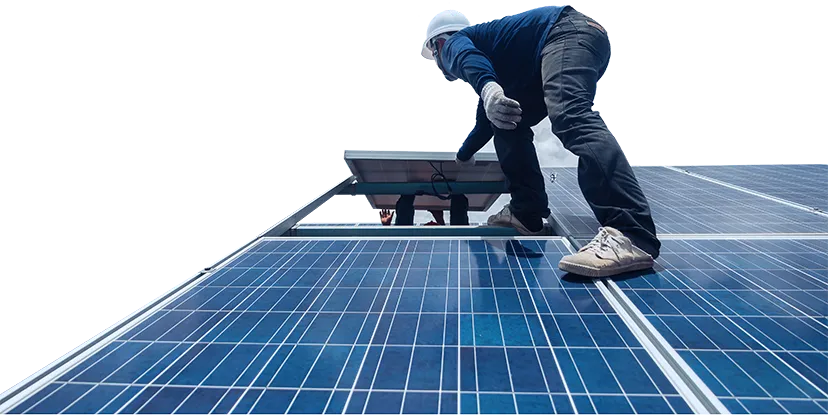
Solar panels convert sunlight into electricity using photovoltaic (PV) technology. They consist of a large array of glass panels made up of thousands of small solar cells. When the sun shines on them, the individual solar cells in each panel generate an electric current that can then be used to power electronic devices.
The Cost of Solar Panels
Solar panel prices have been falling rapidly in recent years. According to the National Renewable Energy Laboratory (NREL), a 100-watt solar panel is now being produced for about $2, whereas just a few years ago they were selling for around $6.50.
In Pakistan, as of October 2021, a 300-watt solar panel costs around PKR 40,000 (~$280 USD), while a 500-watt panel is being offered at PKR 60,000 (~$390 USD). These prices are significantly lower than those charged in the United States or China.
Solar Panels in Pakistan: Introduction to Solar Energy Industry
The renewable energy industry has been growing rapidly in Pakistan over the past decade, driven by increasing demand for electricity and government initiatives aimed at promoting renewables. As of July 2021, there were more than 750 MW of solar capacity installed in Pakistan, with an additional 484 MW under construction.
Solar Energy in Pakistan: The Current State
According to the National Solar Energy Association of Pakistan (NASEAP), Pakistan has the potential to generate 12 GW of clean energy from solar power by 2030. This includes residential, commercial, and industrial solar projects, as well as large-scale solar farms. Currently, the country’s installed solar capacity stands at approximately 45 MW, with plans to increase this number significantly in the future.
Solar Energy in Pakistan: Incentives for the Industry
There are several incentives available to renewable energy companies operating in Pakistan, including:
1. Feed-in Tariffs (FITs): As mentioned earlier, FITs offer developers financial compensation for selling excess electricity generated by their projects back to the grid. This is a popular policy in many countries, including Germany, Italy, and Spain.
2. Production Tax Credit: The production tax credit provides a refund of 15% on the electricity generated from renewable sources up to a maximum tax credit of PKR 60 million (~$390,000 USD).
3. Investment Guarantee Scheme (IGS): This policy assures investors that they will receive their investment back if their projects do not meet their installed capacity or energy targets.
4. Financing Options: The government of Pakistan provides various financing options for renewable energy projects, including loans and grants.
Impact of Solar Panels on Pakistan’s Economy
Solar panels have significant economic benefits for the country’s economy, including job creation, increased exports, and reduced dependence on fossil fuels. According to a report by NASEAP, the renewable energy industry in Pakistan could create up to 1 million direct and indirect jobs in the next decade.
Furthermore, solar panels have the potential to reduce Pakistan’s carbon footprint significantly, lowering its dependence on fossil fuels and reducing its greenhouse gas emissions. The country has a large amount of renewable energy potential (around 45 GW), which could help it achieve its goal of becoming carbon neutral by 2030.
Conclusion: Solar Panels in Pakistan: The Future Outlook
In conclusion, solar panels are rapidly gaining popularity worldwide due to their low cost and increasing availability. Pakistan has the potential to become a hub for renewable energy production in the region, as it is currently only using around 1% of its solar capacity. As more investment and financial support are made available through policies like FITs and IGS, Pakistan’s solar panel industry will continue to grow, creating jobs and stimulating economic growth.