

As the world’s population continues to grow, so does our energy demands. One of the most effective ways to reduce our dependence on fossil fuels and achieve sustainability is through the use of renewable energy sources such as solar power. Hybrid solar systems combine traditional photovoltaic (PV) cells with batteries or other energy storage solutions, such as fuel cells, to provide a reliable, efficient, and cost-effective source of electricity. In this article, we will discuss the benefits of 10kw hybrid solar systems, how they work, their installation process, and some examples of successful applications in different sectors.
Benefits of 10kw Hybrid Solar Systems:
1. Reduced Electric Bill: As a hybrid system combines PV cells with battery storage or fuel cells, it helps reduce the overall electric bill by providing backup power when the sun is not shining or during times of peak demand. With the ability to store energy for later use, users can save money on their utility bills, especially in areas with high power prices.
2. Lower Maintenance Needs: The combination of PV cells and batteries/storage solutions allows for easier maintenance and repairing of the system. Unlike traditional solar panels, which require regular cleaning, maintenance, and replacement of the components, hybrid systems have fewer moving parts, making them less prone to damage.
3. Greater Energy Storage Capacity: Hybrid systems store energy in multiple ways, allowing for greater storage capacity. Solar PV panels capture sunlight during daylight hours when the solar power is most abundant and turn it into electricity, while battery storage provides backup power during peak demand periods. This enables users to use energy whenever they need it without having to rely solely on solar or fossil fuels.
4. Increased Electricity Supply: Hybrid systems can provide power not only during daylight hours when solar panels are most abundant but also during times of peak demand, such as night and weekends. This can increase the amount of electricity supply available to homes or businesses, especially in areas where there is high demand for energy.
Installation Process:
1. Site Assessment: The first step in installing a 10kw hybrid solar system is to assess the site’s solar potential. This involves taking measurements of the roof area, shading, and orientation of the house or commercial structure. Based on these findings, an installation company will provide you with an estimate of the necessary infrastructure for the system to be installed safely.
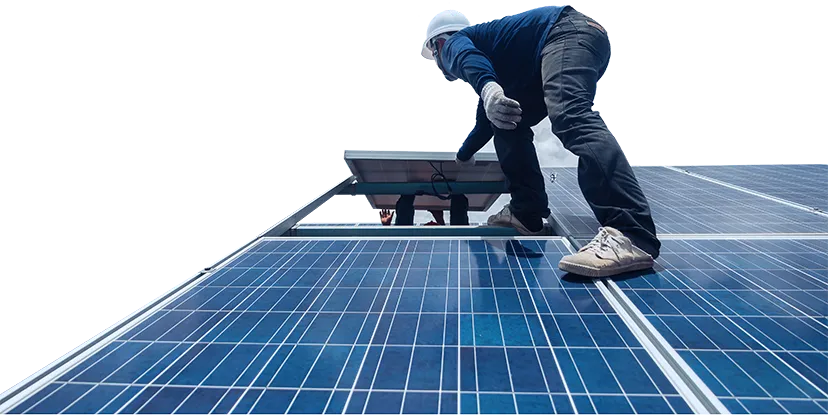
2. PV Installation: Once you’ve been given approval from your local authority, you can schedule a PV installation. A professional solar panel installer will install the solar panels on your roof or on the ground, depending on the size of your system. They will also connect the inverter to the system and provide an electrical installation certificate at the end of the project.
3. Battery Storage Installation: If you want to store energy generated by your PV panels in batteries, you can schedule a battery installation with your local installer. The battery storage system will typically consist of multiple batteries that charge during peak demand periods and discharge during off-peak hours to prevent a dip in power supply.
4. Final Testing: Before the final commissioning stage, test all components of your 10kw hybrid solar system thoroughly to ensure they’re functioning correctly. This will include checking the battery storage system to make sure it’s performing as expected and that the inverter is operating smoothly. Once you have completed a final test, you can turn on your new hybrid solar system and enjoy the benefits of clean, renewable energy!
Examples of Successful Applications:
1. The Smart Elevator Company: The Smart Elevator Company in Japan has installed a 10kw hybrid solar system to power their elevators, making them more efficient and cost-effective to operate. This not only reduces energy consumption but also helps the company reduce their carbon footprint, resulting in lower operational costs over time.
2. The Eden Project: The Eden Project in England has installed a 10kw hybrid solar system that powers their visitor attractions, including the BioBlitz and the Great Barrier Reef. This installation has significantly reduced their energy costs while increasing the operational efficiency of their sites.
Conclusion:
In conclusion, 10kw hybrid solar systems are a great way to reduce energy costs, increase energy supply, and achieve sustainability goals in various sectors. They combine traditional photovoltaic (PV) cells with battery storage or fuel cell solutions for a reliable, efficient, and cost-effective source of electricity. Whether you’re installing a system for your home, business, or industry, it’s essential to consult with an expert solar panel installer before starting your project.

As the world’s population continues to grow, so does our energy demands. One of the most effective ways to reduce our dependence on fossil fuels and achieve sustainability is through the use of renewable energy sources such as solar power. Hybrid solar systems combine traditional photovoltaic (PV) cells with batteries or other energy storage solutions, such as fuel cells, to provide a reliable, efficient, and cost-effective source of electricity. In this article, we will discuss the benefits of 10kw hybrid solar systems, how they work, their installation process, and some examples of successful applications in different sectors.
Benefits of 10kw Hybrid Solar Systems:
1. Reduced Electric Bill: As a hybrid system combines PV cells with battery storage or fuel cells, it helps reduce the overall electric bill by providing backup power when the sun is not shining or during times of peak demand. With the ability to store energy for later use, users can save money on their utility bills, especially in areas with high power prices.
2. Lower Maintenance Needs: The combination of PV cells and batteries/storage solutions allows for easier maintenance and repairing of the system. Unlike traditional solar panels, which require regular cleaning, maintenance, and replacement of the components, hybrid systems have fewer moving parts, making them less prone to damage.
3. Greater Energy Storage Capacity: Hybrid systems store energy in multiple ways, allowing for greater storage capacity. Solar PV panels capture sunlight during daylight hours when the solar power is most abundant and turn it into electricity, while battery storage provides backup power during peak demand periods. This enables users to use energy whenever they need it without having to rely solely on solar or fossil fuels.
4. Increased Electricity Supply: Hybrid systems can provide power not only during daylight hours when solar panels are most abundant but also during times of peak demand, such as night and weekends. This can increase the amount of electricity supply available to homes or businesses, especially in areas where there is high demand for energy.
Installation Process:
1. Site Assessment: The first step in installing a 10kw hybrid solar system is to assess the site’s solar potential. This involves taking measurements of the roof area, shading, and orientation of the house or commercial structure. Based on these findings, an installation company will provide you with an estimate of the necessary infrastructure for the system to be installed safely.
2. PV Installation: Once you’ve been given approval from your local authority, you can schedule a PV installation. A professional solar panel installer will install the solar panels on your roof or on the ground, depending on the size of your system. They will also connect the inverter to the system and provide an electrical installation certificate at the end of the project.
3. Battery Storage Installation: If you want to store energy generated by your PV panels in batteries, you can schedule a battery installation with your local installer. The battery storage system will typically consist of multiple batteries that charge during peak demand periods and discharge during off-peak hours to prevent a dip in power supply.
4. Final Testing: Before the final commissioning stage, test all components of your 10kw hybrid solar system thoroughly to ensure they’re functioning correctly. This will include checking the battery storage system to make sure it’s performing as expected and that the inverter is operating smoothly. Once you have completed a final test, you can turn on your new hybrid solar system and enjoy the benefits of clean, renewable energy!
Examples of Successful Applications:
1. The Smart Elevator Company: The Smart Elevator Company in Japan has installed a 10kw hybrid solar system to power their elevators, making them more efficient and cost-effective to operate. This not only reduces energy consumption but also helps the company reduce their carbon footprint, resulting in lower operational costs over time.
2. The Eden Project: The Eden Project in England has installed a 10kw hybrid solar system that powers their visitor attractions, including the BioBlitz and the Great Barrier Reef. This installation has significantly reduced their energy costs while increasing the operational efficiency of their sites.
Conclusion:
In conclusion, 10kw hybrid solar systems are a great way to reduce energy costs, increase energy supply, and achieve sustainability goals in various sectors. They combine traditional photovoltaic (PV) cells with battery storage or fuel cell solutions for a reliable, efficient, and cost-effective source of electricity. Whether you’re installing a system for your home, business, or industry, it’s essential to consult with an expert solar panel installer before starting your project.